
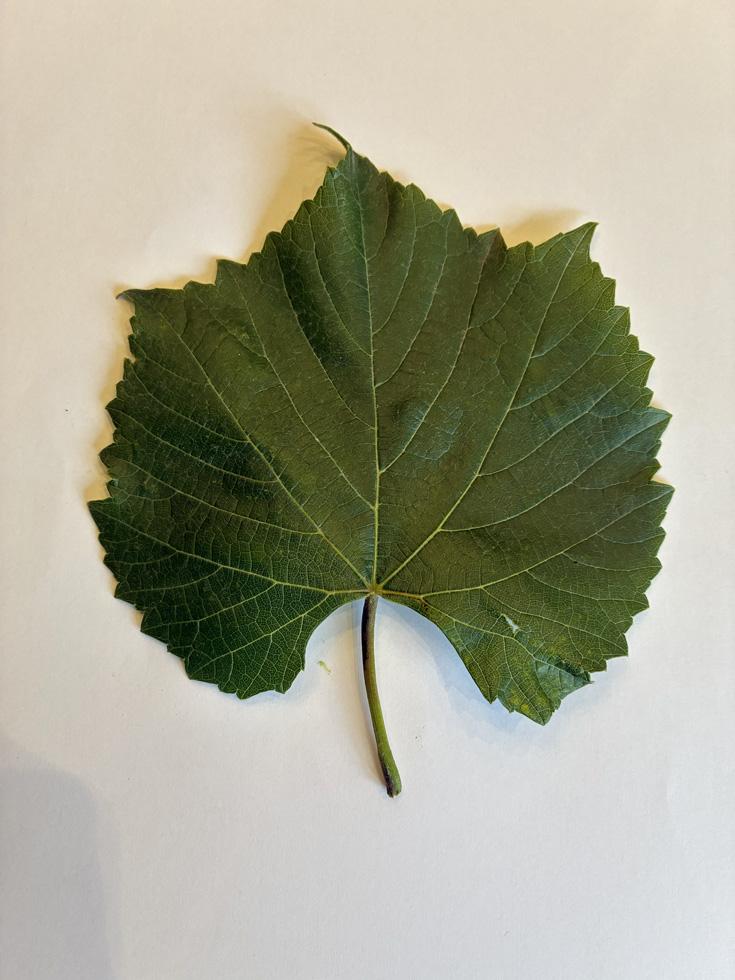
SO4
Origin
This variety results from the cross between Vitis berlandieri and Vitis riparia, originating from plant material by Euryale Rességuier.
Hybridizer and Year of Development
Sigmund Teleki and Heinrich Fuhr, 1896.
Soil Pest Resistance
SO4 is highly tolerant to root phylloxera. Its resistance to Meloidogyne incognita and Meloidogyne arenaria nematodes is very good.
It often shows high resistance to trunk diseases, facilitating the extension of the vine’s life.
It has the capacity to adapt to plantings carried out with little disinfection and short rest periods between uprooting and new planting.
Environmental Adaptation
SO4 is highly tolerant to root phylloxera. Its resistance to Meloidogyne incognita and Meloidogyne arenaria nematodes is also very good.
The SO4 is a very versatile and widely used rootstock, especially valued for its good adaptation to different soil types and its good performance during the first years of planting.
It shows good tolerance to limestone, supporting approximately up to 35% total limestone, 17% active limestone, and an ICP of 30. It also shows good adaptation to acidic soils and interesting tolerance to chlorides.
Regarding soil conditions, SO4 adapts particularly well to sandy soils, flat terrains, and moderately fertile clay-limestone soils. Its adaptability to different edaphic situations makes it a versatile option for numerous wine-growing regions.
Interaction with Grape Variety and Production Goals
SO4 shows very good affinity with most Vitis vinifera varieties and provides rapid plant development after planting.
One of its main characteristics is its high capacity to promote growth and rapid entry into production of the grapevine. It confers high vigor, especially during the first years, favoring rapid formation of the vegetative structure and good utilization of available space.
Vines grafted on SO4 also stand out for their productive precocity and their potential to achieve high yields from the first years. This characteristic can be particularly interesting in plantings where the aim is to reduce the time needed to reach significant commercial production.
At maturation, SO4 allows for good levels of sugar accumulation in the grapes, thus combining vigor, rapid establishment, and high productive capacity.
Overall, SO4 is a particularly interesting rootstock when seeking rapid vine establishment, good initial vigor, early entry into production, high productivity, and good adaptation to a wide variety of soils.


If you are interested in a specific clone or rootstock
Request a quote
"*" indicates required fields