
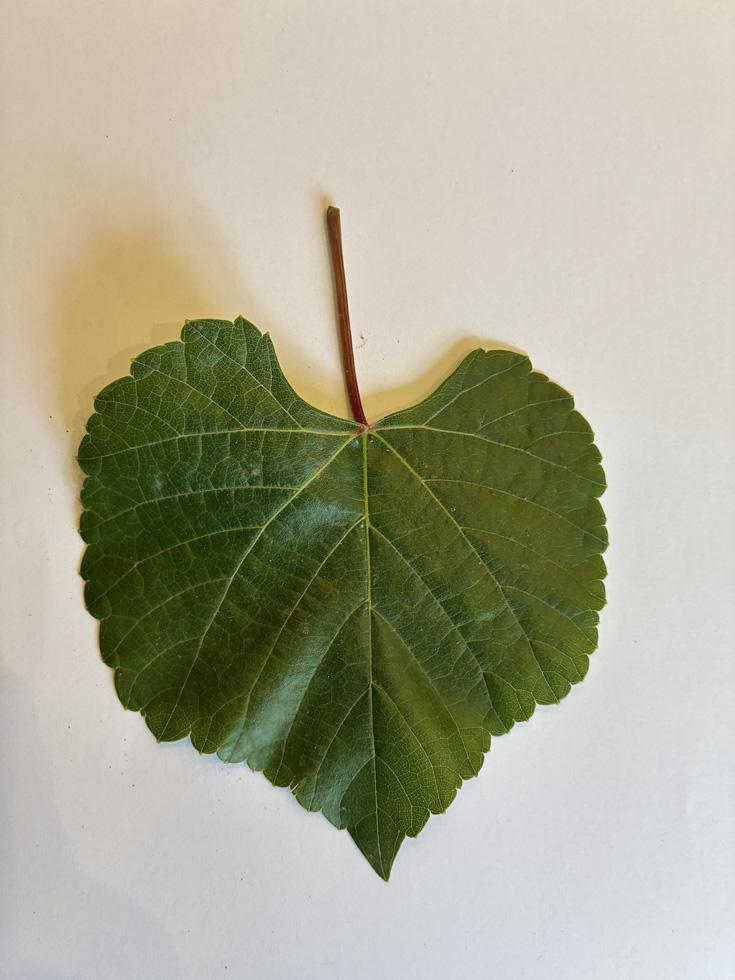
140 RUGGERI (140RU)
Origin
This variety results from the crossing of Vitis berlandieri cv. Rességuier number 2 and Vitis rupestris cv. Lot.
Hybridizer and Year of Development
Antonino Ruggeri, 1894.
Soil Pest Resistance
The 140 Ru is highly tolerant to root phylloxera. This rootstock’s resistance to Meloidogyne arenaria nematodes is high, but only moderate for Meloidogyne incognita nematodes.
Environmental Adaptation
The 140 Ru is characterized by its good adaptation to calcareous soils and its high drought resistance. It resists up to 50% “total” limestone, 20% “active” limestone, and a CPI of 90. The 140 Ru absorbs magnesium well and is essentially suitable for dry, poor, shallow, and stony calcareous soils.
Interaction with Grape Variety and Production Goals
The 140 RU confers very high vigor. This rootstock promotes strong vegetative development of the plant and tends to delay the growth cycle and ripening. It has a tendency to produce suckers.
Combinations with very vigorous varieties, such as Grenache, Sauvignon Blanc, Sultanina, and Ugni Blanc, should be reserved for exceptional situations, as they can lead to imbalances between vigor and production.
With other varieties, affinity problems can also arise, such as the formation of large calluses and swellings in the graft area.
During the first three years after planting, it is common to have to replant some young vines due to the excessive vigor it confers to the variety.
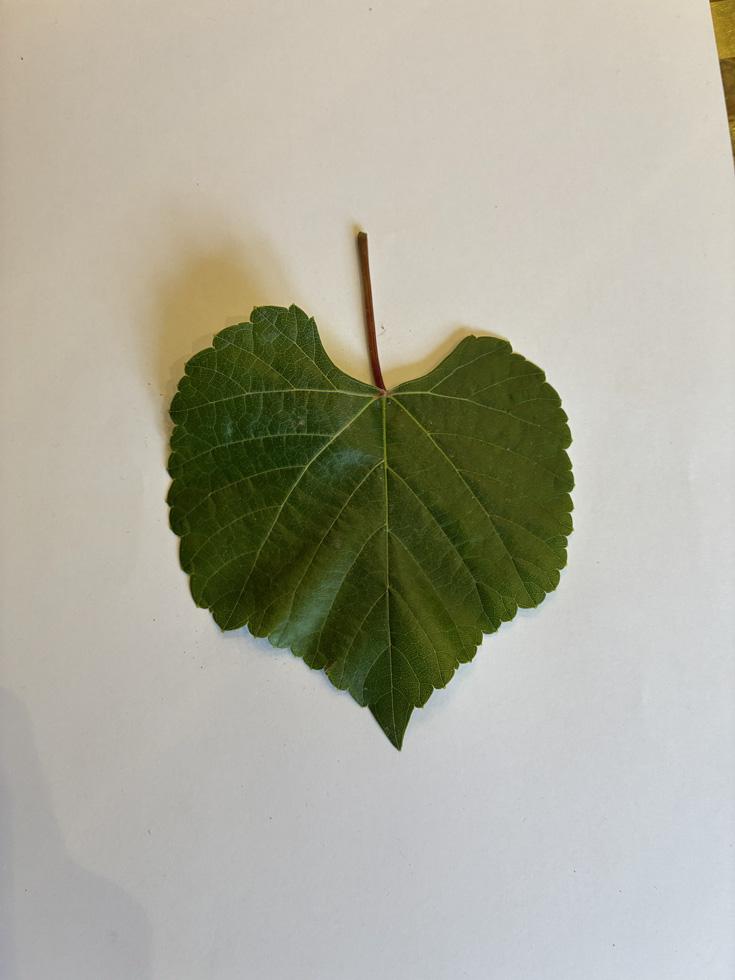
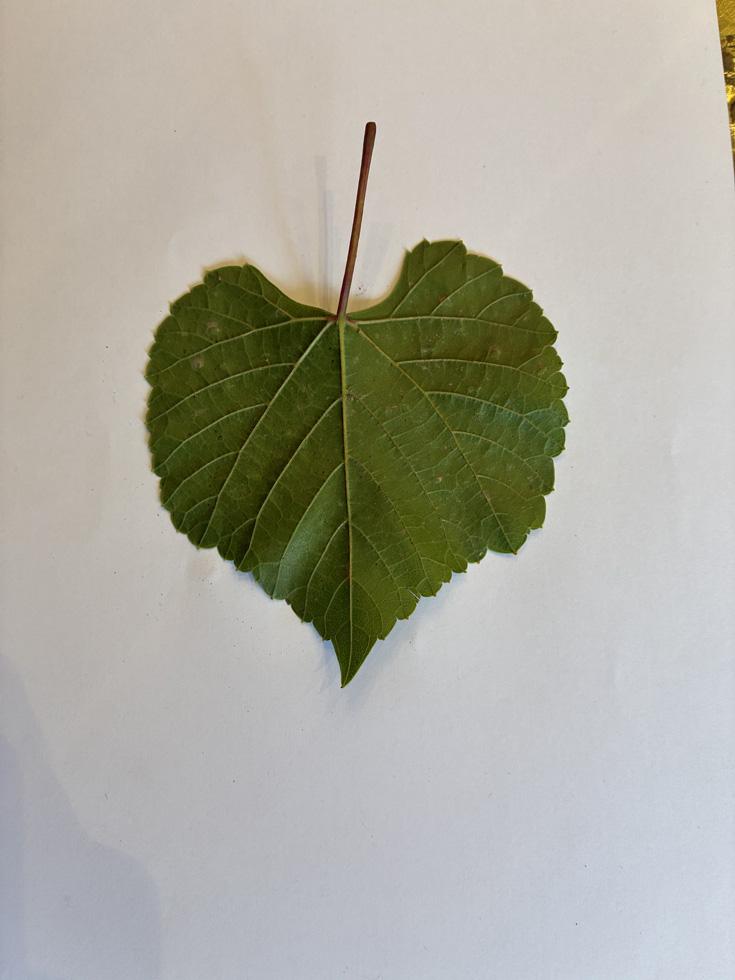
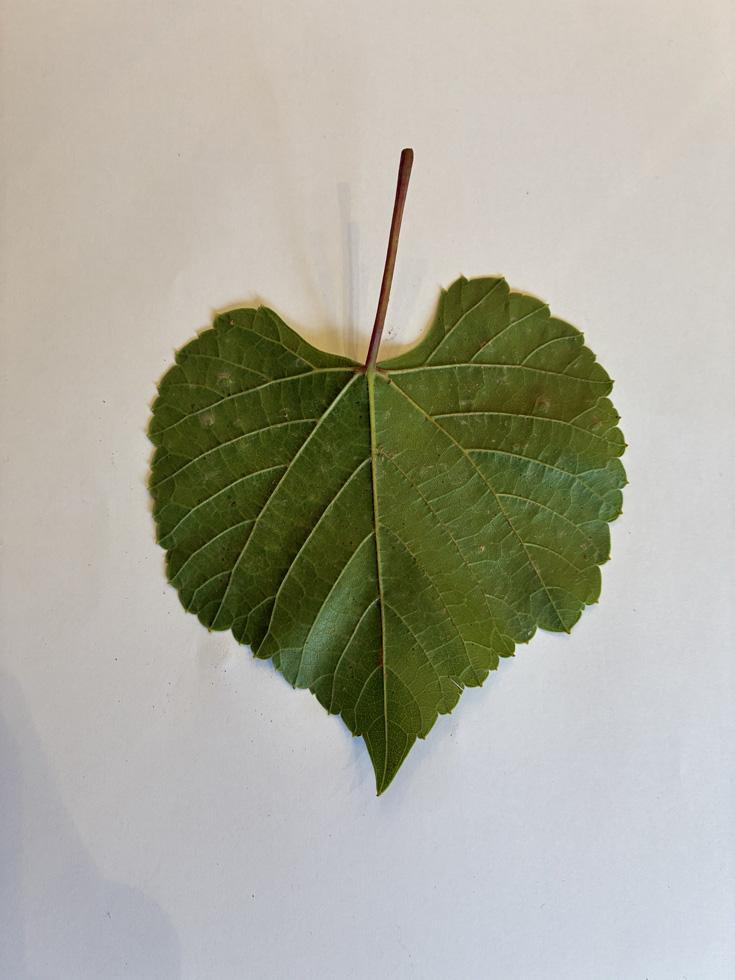
If you are interested in a specific clone or rootstock
Request a quote
"*" indicates required fields