
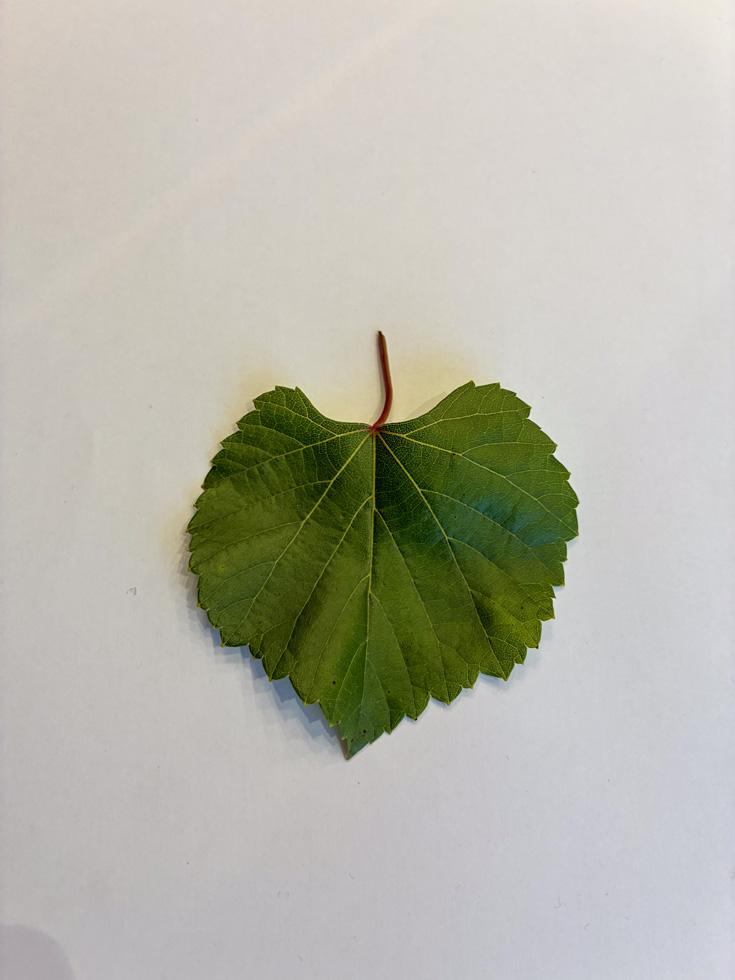
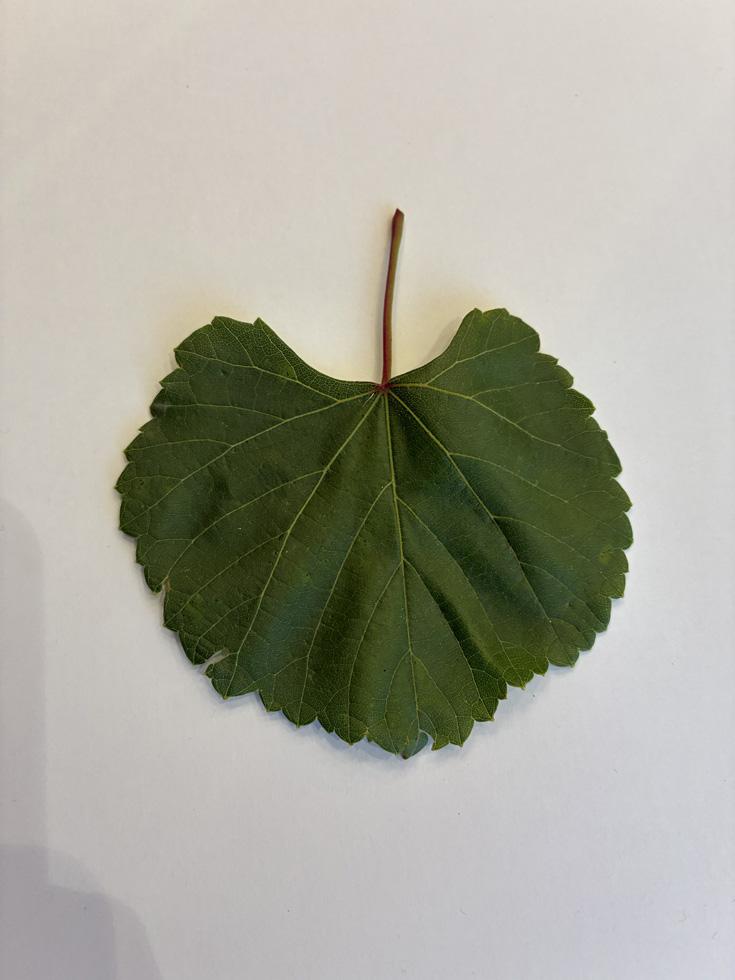
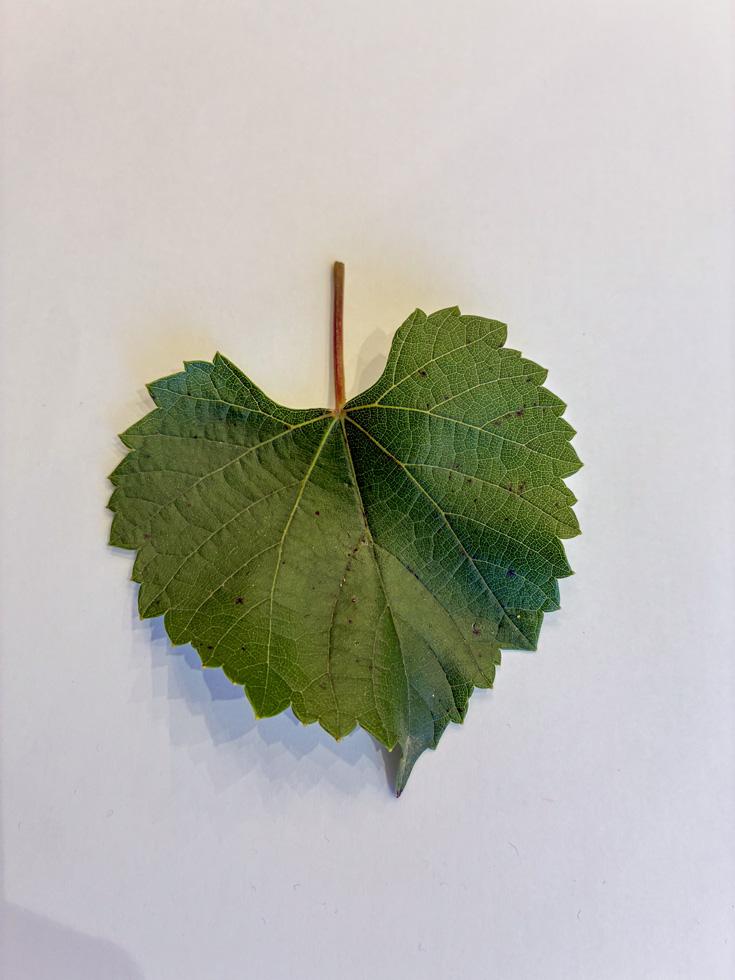
110R (110 Richter)
Origin
This variety is the result of a cross between Vitis berlandieri cv. Rességuier n°2 and Vitis rupestris cv. Martin.
Hybridizer and Year of Development
Franz Richter, 1902.
Soil Pest Resistance
110 R is highly tolerant to root phylloxera, but its resistance to the nematodes Meloidogyne incognita and Meloidogyne arenaria is only average.
Environmental Adaptation
110 R is moderately adapted to limestone, and its resistance to iron chlorosis varies depending on the variety it is grafted with. It can withstand up to 17% “active” limestone and an IPC of 30. However, the threshold is actually only 5 to 7% when Syrah is grafted onto 110 R (and to a lesser extent with Viognier). This rootstock is very well adapted to drought but is highly sensitive to waterlogging. It is particularly adapted to dry, poor, stony soils with little or no limestone, such as schist soils or old terraces.
Interaction with Grape Variety and Production Goals
110 R confers strong vigor. This rootstock tends to induce good fertility and delay the growth cycle and grape ripening. It can sometimes promote chlorosis. 110 R performs very well with Cabernet Sauvignon, Caladoc, Carignan, Grenache, Marselan, Monastrell, Muscat of Alexandria, and Tempranillo. On the other hand, given the risk of chlorosis, the association with Syrah should be avoided when the “active” limestone content exceeds 5%, as the risk of decline increases with this association. Cases of incompatibility with Pinot Noir have also been observed.
If you are interested in a specific clone or rootstock
Request a quote
"*" indicates required fields