
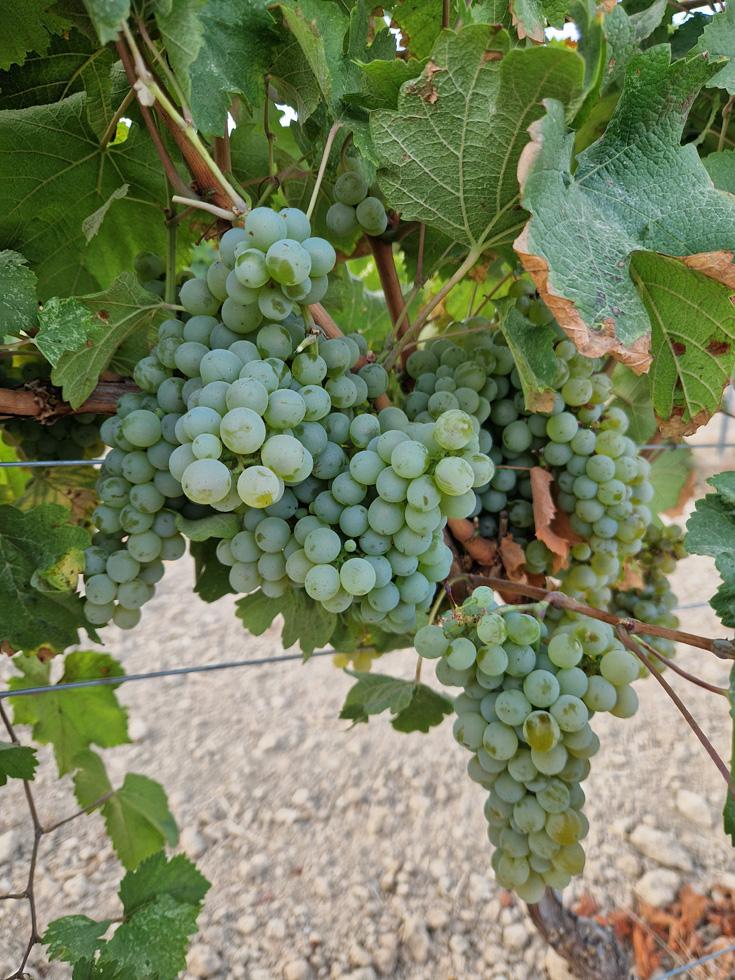
Sauvignon blanc
White grape variety
Origin
Central France or the Southwest are the two possible areas of origin for this variety. According to published genetic analyses, Sauvignon is directly related to Savagnin.
Synonyms
In the European Union, Sauvignon is officially known by other names: Sauvignon Blanc (Germany, Austria, Spain, Hungary, Malta, Netherlands) and Zeleni Sauvignon (Slovenia).
Phenology
- Budburst period: 7 days after the Chasselas variety.
- Ripening period: 2nd period, 2 and a half weeks after the Chasselas variety.
Technological potential
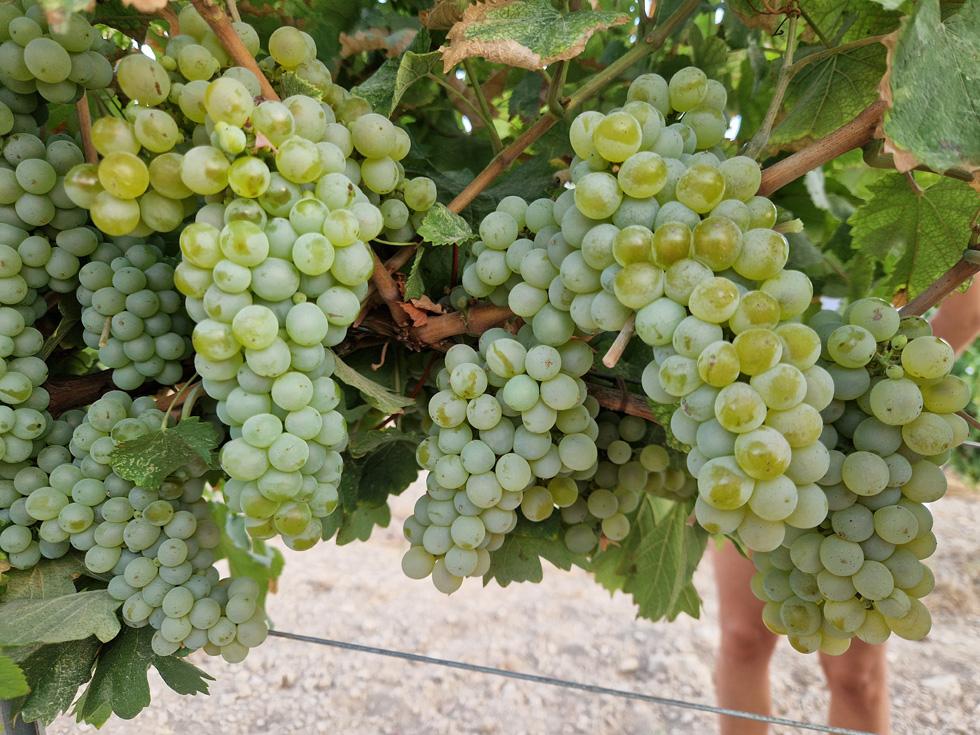
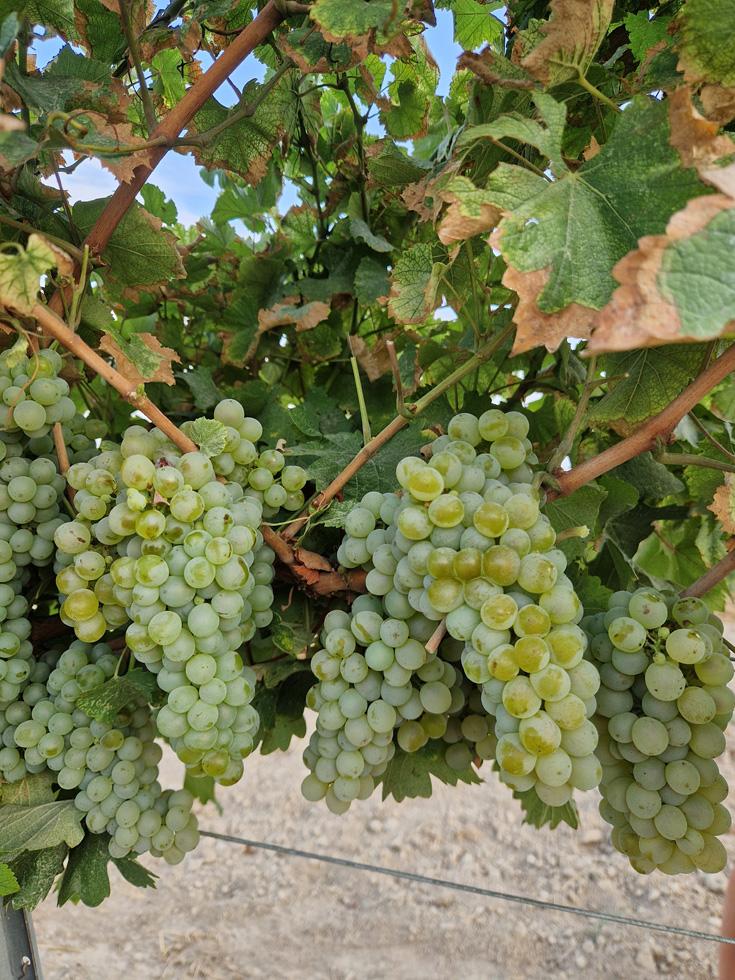
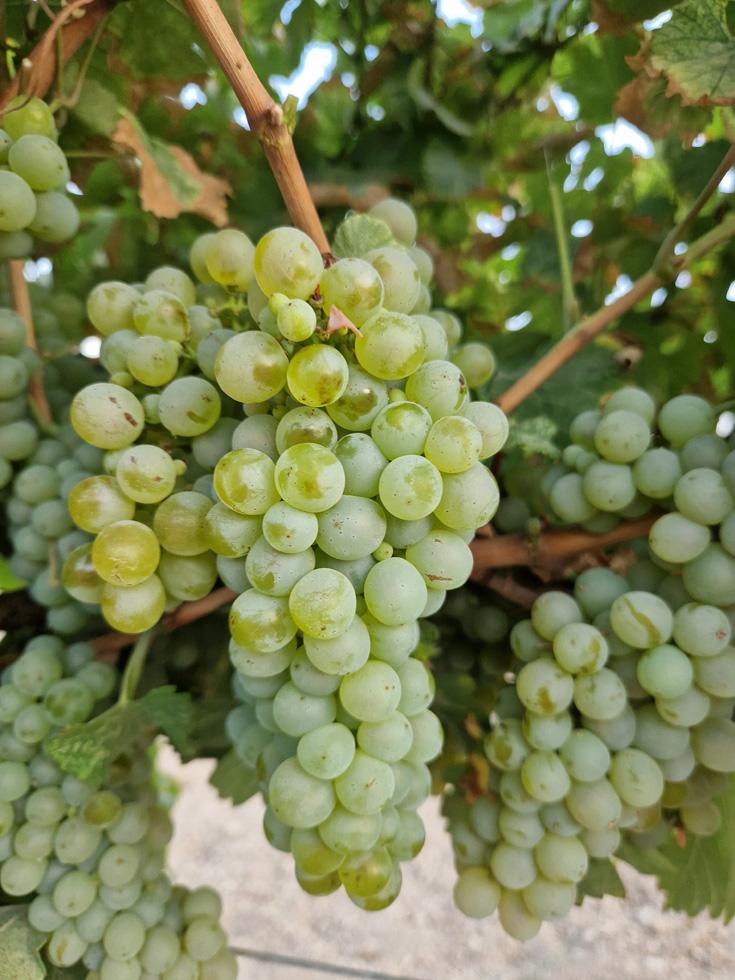
The clusters and berries are small in size. Sauvignon allows for the production of very elegant, refined, balanced, and characterful dry white wines. The varietal aromas of Sauvignon, present mainly in the wine during the first years, are quite specific and can present nuances (broom, blackcurrant, boxwood, etc.) depending on the terroir, the vintage, and the cultivation conditions. In late harvests or in the presence of noble rot, this variety can also participate in the production of great sweet wines.
Agronomic characteristics
Sauvignon is very vigorous and has a tendency to accumulate vegetation. Above all, efforts must be made to control this vigor by planting it in low to moderately fertile soils, using weak rootstocks, and practicing adapted pruning, which can be quite generous during the first years. Through careful placement on trellises and an appropriate training system, it is also necessary to aim for a favorable microclimate for the clusters.
If you are interested in a specific clone or rootstock
Request a quote
"*" indicates required fields