
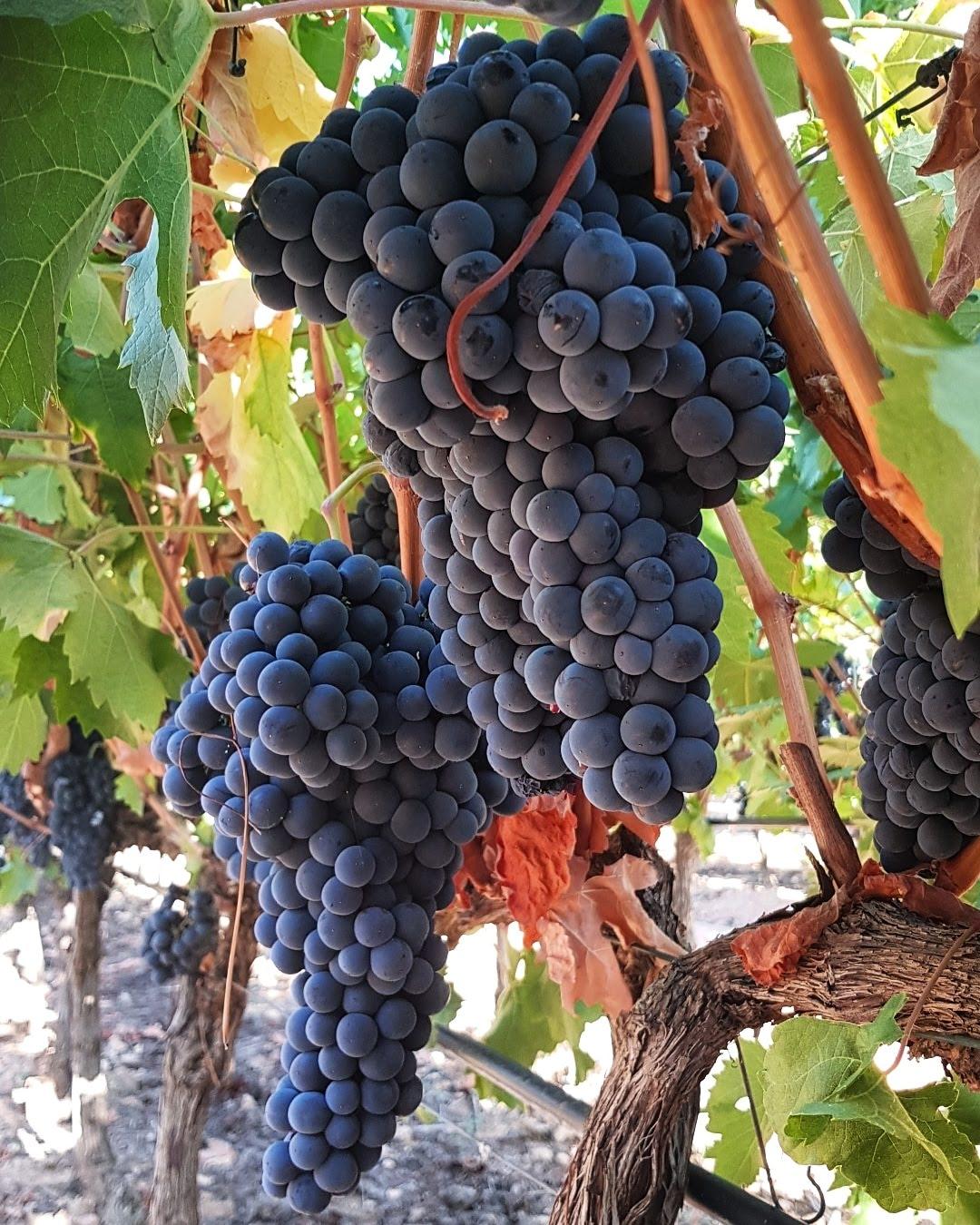
Tempranillo
Black grape variety
Origin
Tempranillo is a variety of Spanish origin (Rioja). According to genetic analyses carried out in Montpellier, it is the result of a cross between Albillo Mayor and Benedicto.
Synonyms
Escobera and Chinchillana (Badajoz), Cencibel (Ciudad Real, Cuenca, Guadalajara, and Madrid), Jacibera and Tinto Fino (Madrid), Tinta de Toro (Zamora), Tinta del País (Burgos, Segovia, Soria, and Valladolid), Ull de Llebre (Barcelona), Valdepeñas (USA), Verdiell and Vid de Aranda (Burgos), Tinta Roriz (Portugal), Negretto (Italy), etc.
Phenology
- Budbreak period: early.
- Ripening period: early.
Technological potential
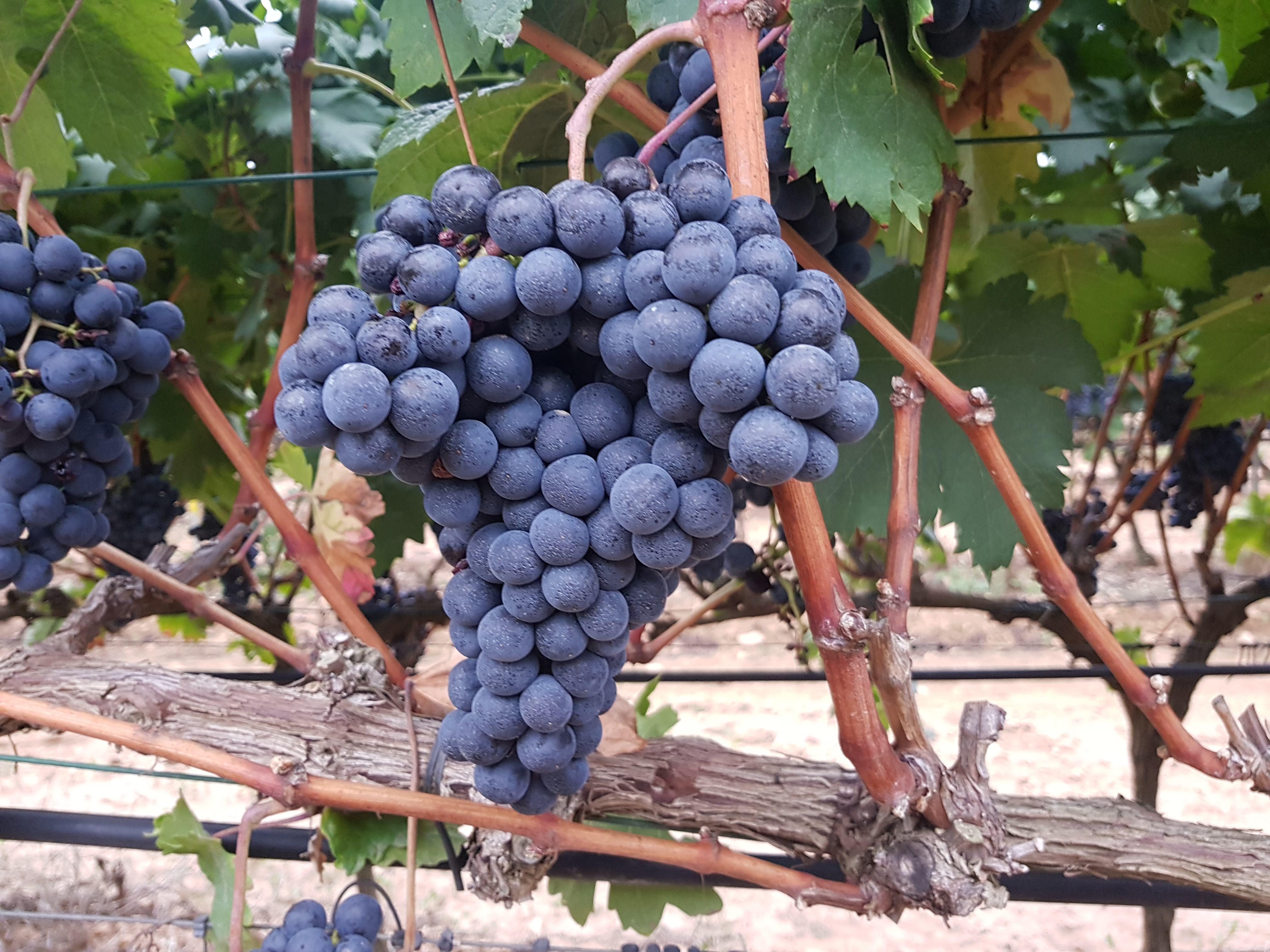
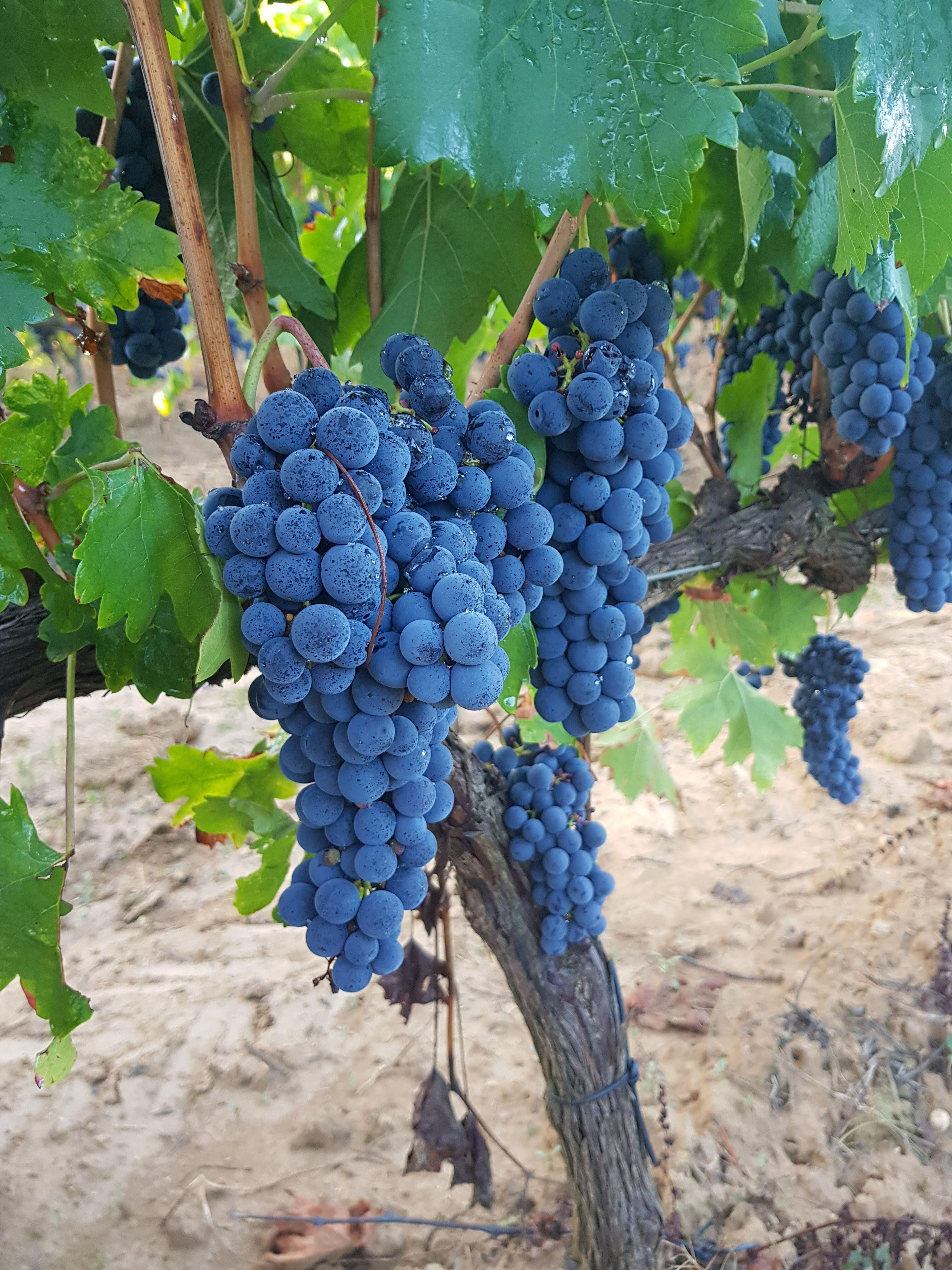
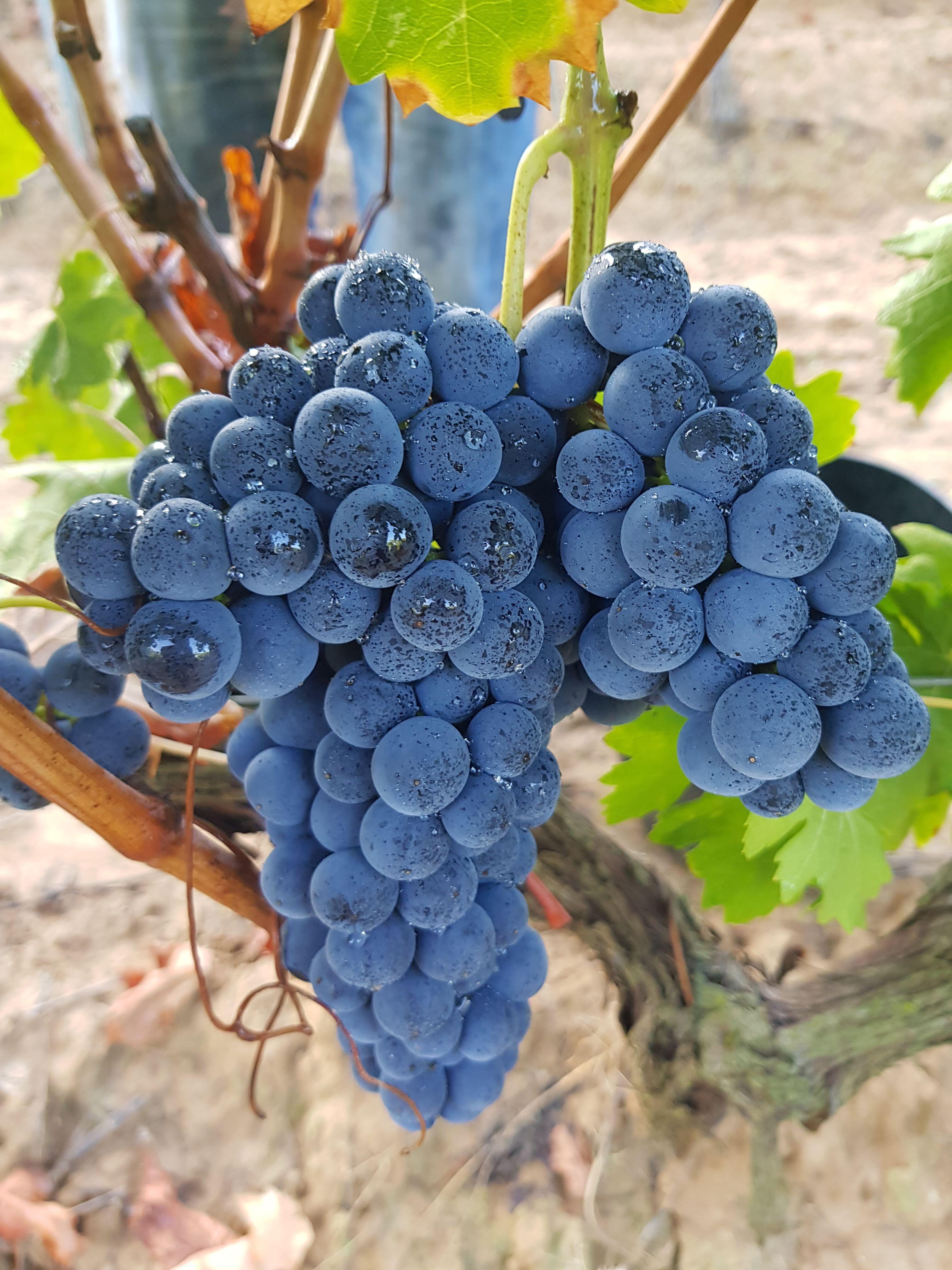
The grape bunches are large (elongated) and the berries are medium-sized. In favorable terrains, Ull de Llebre produces quality wines that are very pleasant, well-colored, and structured, but they tend to lack acidity in warm areas. Quality and alcoholic strength decrease with excessive yield.
It is ideally suited for the production of rosé, young red, and aged wines.
Agronomic characteristics
- Short-cycle variety. Upright growth habit. Sensitive to wind. Fertile.
- Medium-high yield potential depending on the soil. Sensitive to extreme drought.
- Sensitive to powdery mildew and moderately sensitive to Phomopsis cane and leaf spot.
If you are interested in a specific clone or rootstock
Request a quote
"*" indicates required fields