
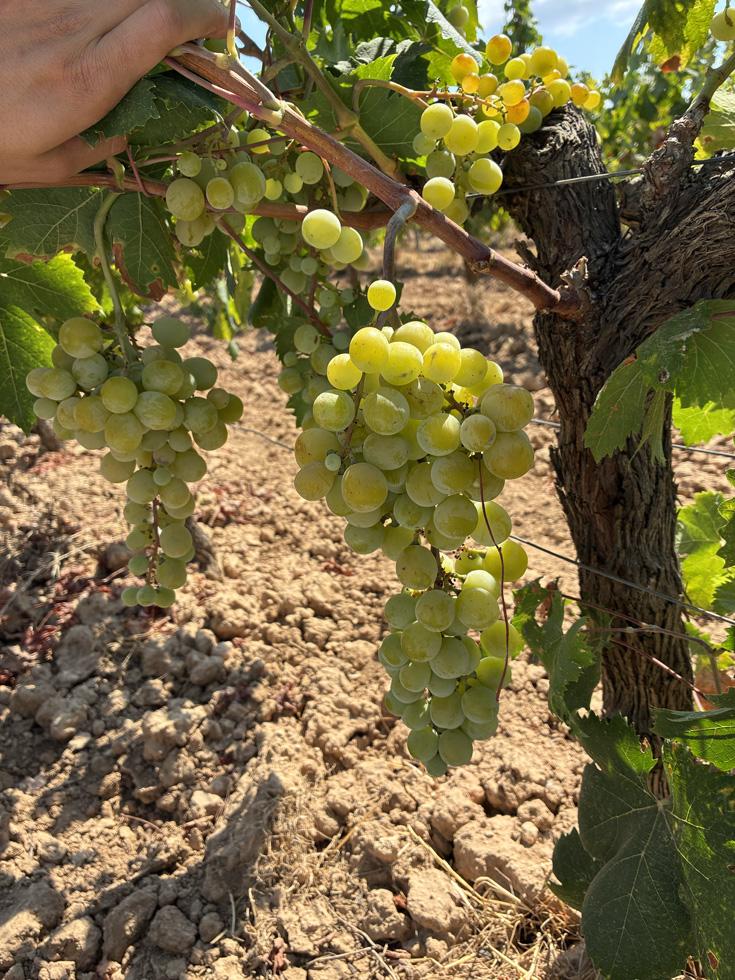
Muscat of Alexandria
White grape variety
Origin
This variety is of Mediterranean origin. According to published genetic analyses, Muscat of Alexandria is the result of a cross between Muscat à Petits Grains Blanc and Heptakilo.
Synonyms
In the European Union, Muscat of Alexandria is officially known by other names: Damaszener Muskat (Austria), Moscatel Graúdo (Portugal), and Zibibbo (Italy, Malta).
Phenology
- Budburst period: 6 days after the Chasselas variety.
- Ripening period: 3rd period, 4 weeks after the Chasselas variety.
Technological potential
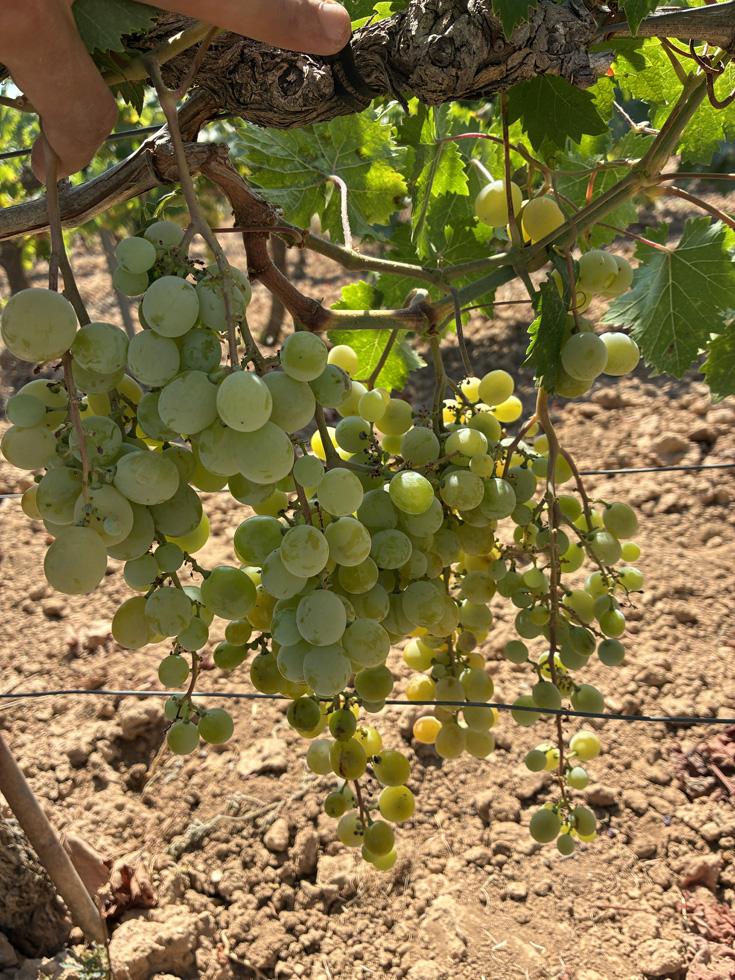
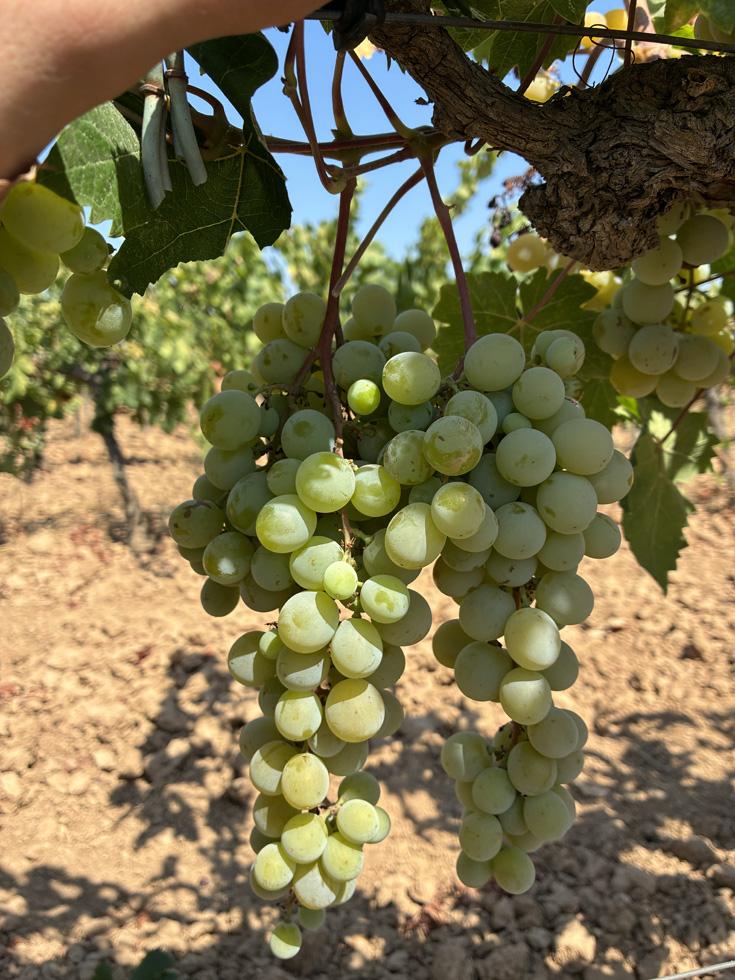
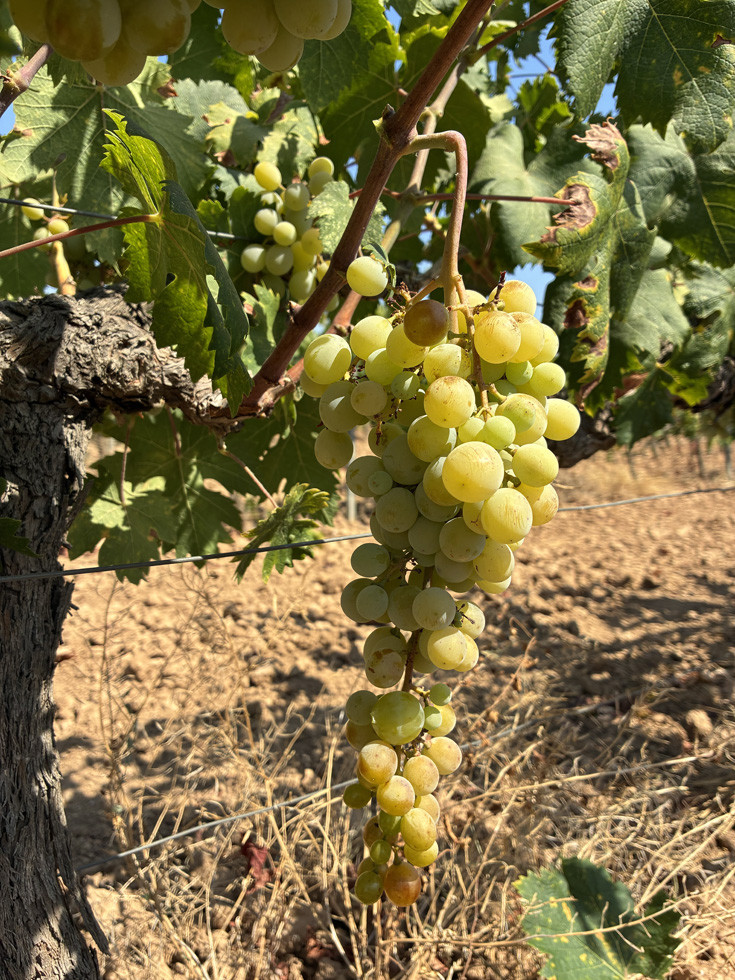
The clusters are large and the berries are very large. Muscat of Alexandria allows for the production of natural sweet wines with powerful, elegant, and floral aromas. The sugar potential of this variety can only be expressed in climatic conditions suited to its specific requirements. Muscat of Alexandria can also be used for the production of dry wines, potentially sparkling, or in blends to provide aroma.
Agronomic characteristics
Muscat of Alexandria is a low-vigor variety with a trailing growth habit.
It is typically managed with short pruning and trained in a goblet system.
This variety adapts well to drought and to gravelly, acidic, or low
lime soils.
Muscat of Alexandria vines tend to age quickly.
Muscat of Alexandria requires the accumulation of high temperatures for optimal
grape ripening and for the lignification of the canes.
If you are interested in a specific clone or rootstock
Request a quote
"*" indicates required fields