
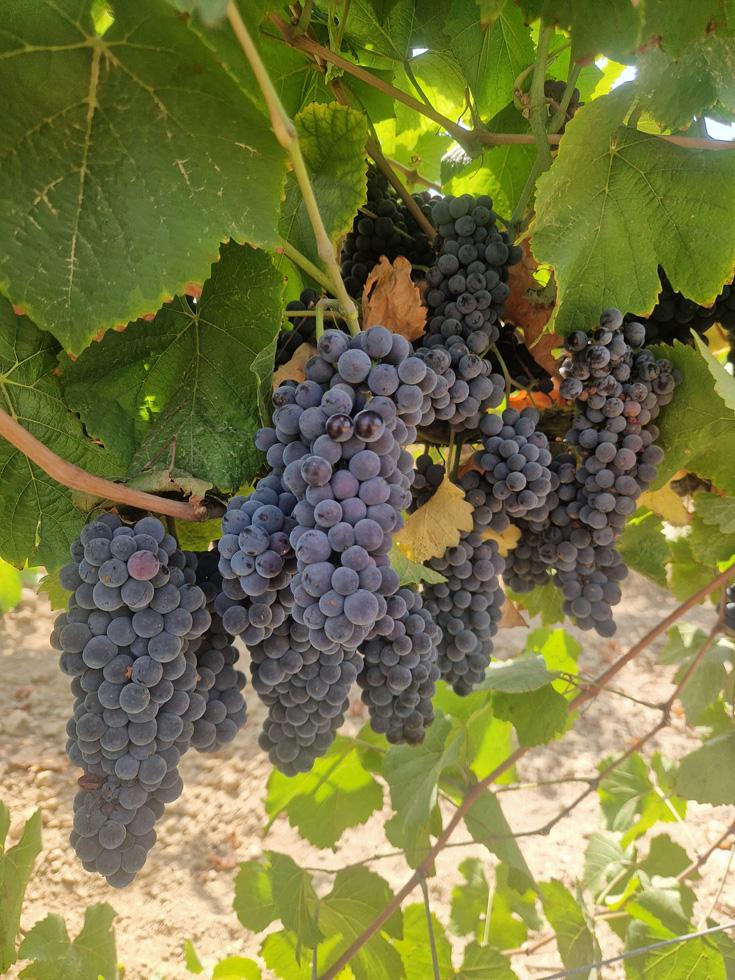
Pinot Noir
Black grape variety
Origin
This variety originates from Burgundy.
Synonyms
In the European Union, Pinot Noir is officially known by other names: Blauer Burgunder (Austria), Blauer Spätburgunder (Germany), Modri pinot (Slovenia), Pinot Nero (Italy), Pinot crni (Croatia), and Rulandské modré (Czech Republic, Slovakia).
Phenology
- Budburst period: 2 days after the Chasselas variety.
- Ripening period: 1st period, half a week to 1 week after the Chasselas variety.
Technological potential
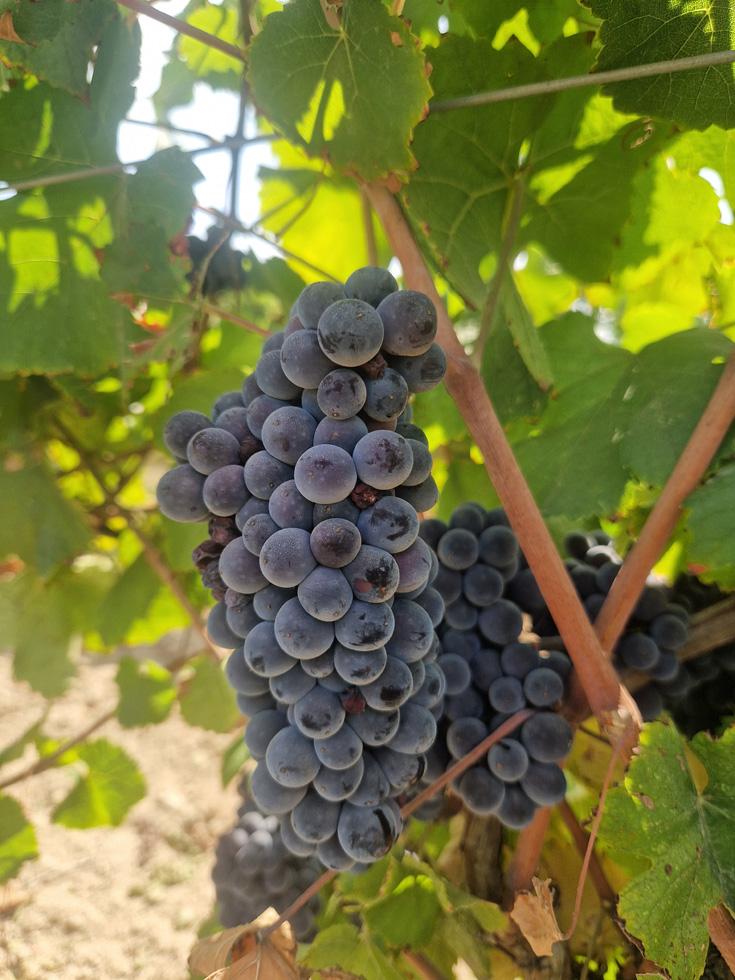
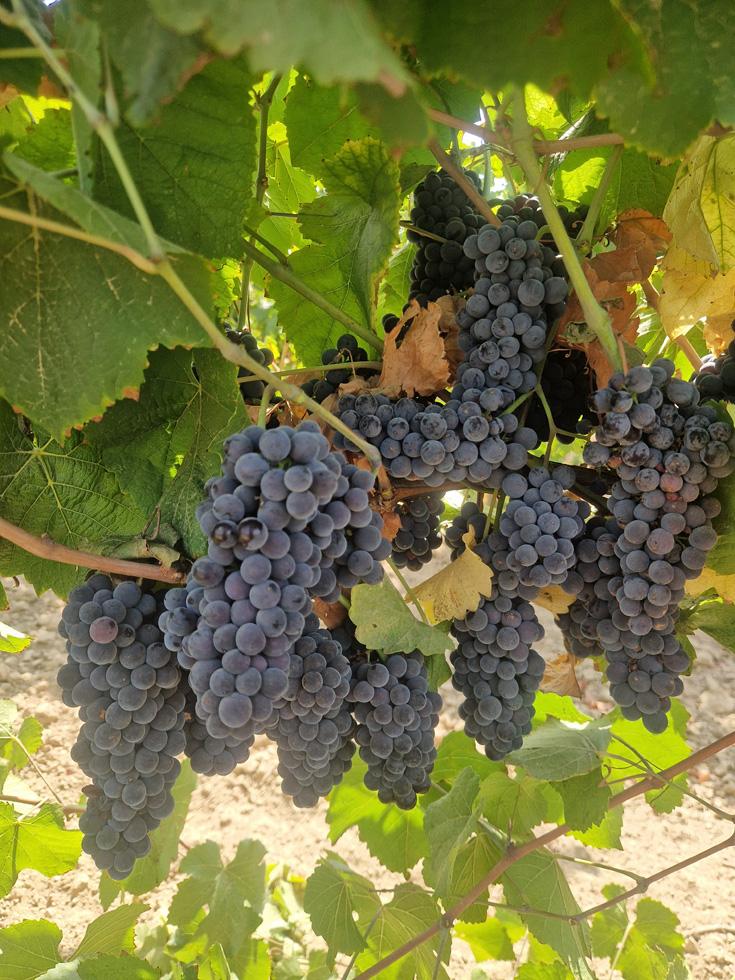
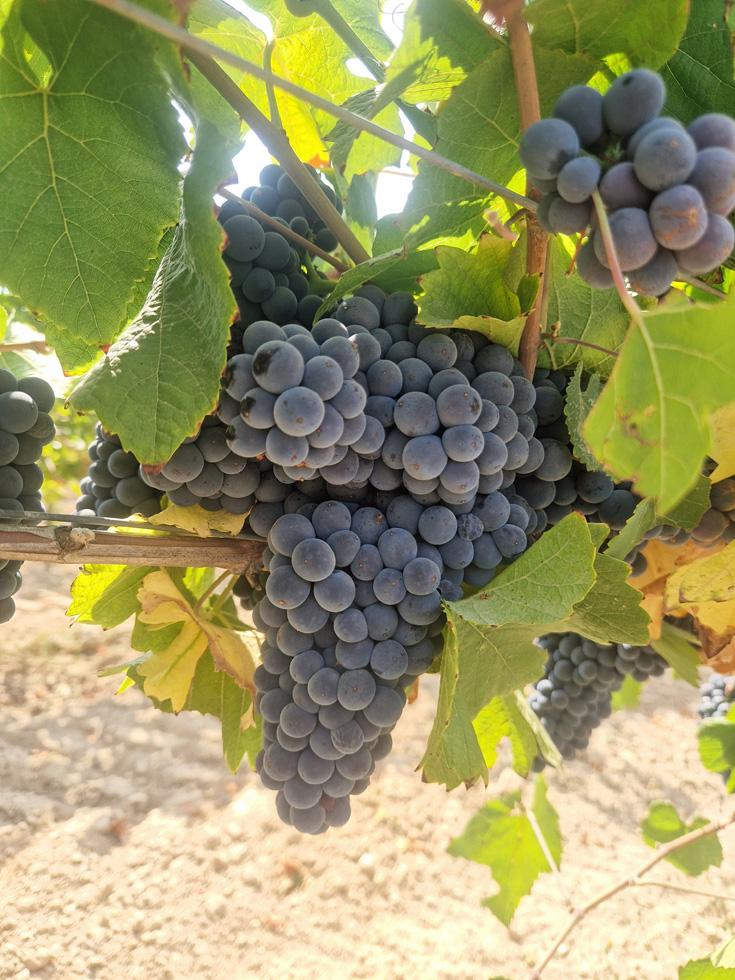
The clusters and berries are small to very small in size. Under favorable conditions, Pinot Noir allows for the production of age-worthy red wines of extreme quality, combining power, finesse, intensity, and aromatic complexity. The sugar accumulation potential of this variety is high, with a moderate to fair acidity (occasionally insufficient when optimal ripeness is reached) and a color that is often not very intense but capable of being maintained over time. Pinot Noir is also used to obtain high-quality base wines for sparkling wines.
Agronomic characteristics
- Pinot Noir is particularly well-adapted to temperate zones.
- It expresses itself optimally and offers its best results in clay-limestone soils.
- In warm climates, its ripening is very rapid; it is sensitive to sunburn, and the berries tend to shrivel quickly after ripening.
- Generally, Pinot Noir is managed using a trellis system.
- It expresses its full potential when its vigor is low to moderate and yields are limited.
- This variety tends to produce many suckers.
If you are interested in a specific clone or rootstock
Request a quote
"*" indicates required fields